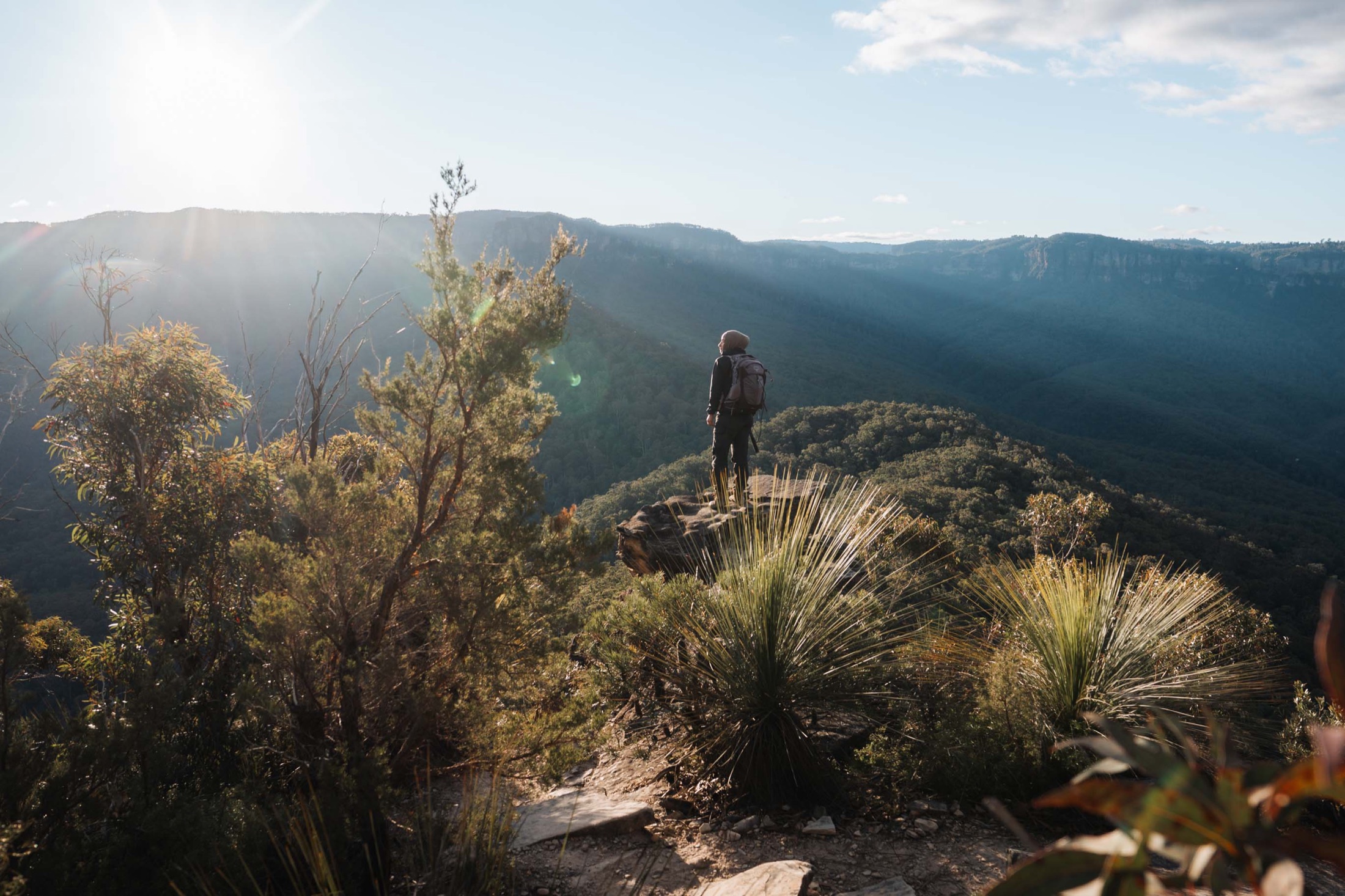
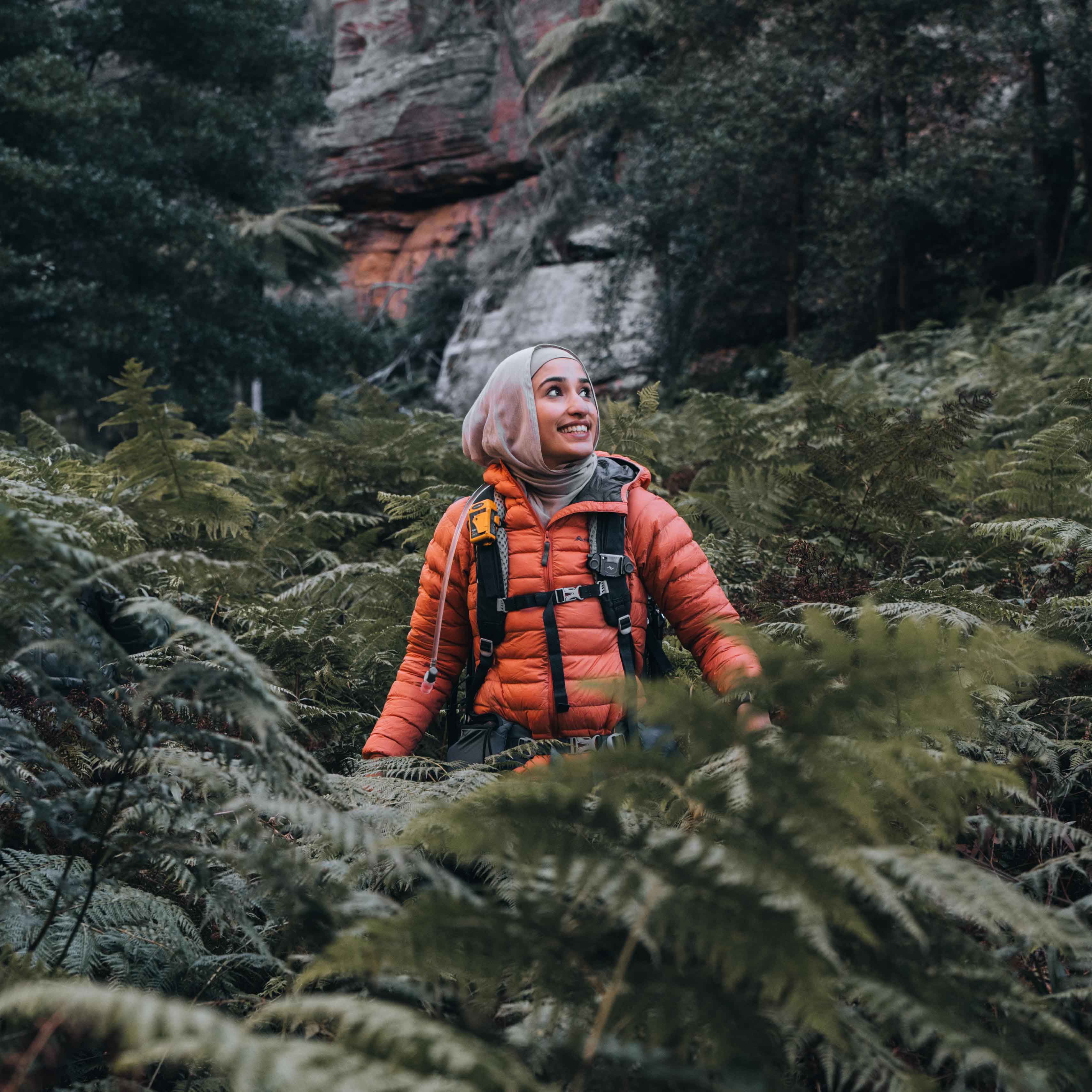




"Is it safe to hike alone as a woman?" I get this question constantly.
I get it. The idea can feel a bit daunting at first. But at some point I just went and did it, and it changed the way I hike. I've done day hikes solo, multi-day treks solo, and everything in between. It's not always comfortable, but it's consistently one of the best decisions I make.
This isn't a list of things to be afraid of. It's what actually helped me go from hesitant to genuinely loving it.
Why bother going solo at all
Because you stop waiting. That's the short answer.
Don't get me wrong, hiking with friends is great. Some of my favourite trips have been with a group. But if you're waiting for schedules to align before you get out there, you're going to miss a lot of good days on the trail.
When I first started hiking, getting a group together felt like a second job. Matching schedules, managing different fitness levels, deciding where to go. Solo hiking cuts all of that. You go when you want, turn around when you want, stop for as long as you like at a view without feeling like you're holding anyone up.
There's also something that happens when you're out there alone that just doesn't happen in a group. You notice more. You think differently. Some of my clearest thinking has happened on solo trails, and some of my best photos too, because I'm not rushing and there's no one to wait for me.
Plan the route properly
I use AllTrails for almost everything. Check the trail difficulty, recent reviews, distance, and elevation. Recent reviews especially, because conditions change and the trail listed as "easy" in spring might be a mudslide in July.
Before I leave I send my route and expected return time to someone I trust. If I have signal on the trail I'll share my live location too. It takes two minutes and it matters.
Don't overcomplicate the first few solo hikes. Pick something popular and well-marked. The goal is to build familiarity with how it feels to be out there alone, not to test yourself on something remote straight away.
What's actually worth carrying
I'm not going to list every item in a first aid kit. What I will say is: water, navigation backup, and a way to call for help if everything else fails.
Water is obvious but people still underestimate it. Carry more than you think you need, and on longer hikes bring a way to filter or purify.
For navigation, your phone is fine until it isn't. Battery dies, signal drops, screen cracks. Know how to read a topographic map and carry a compass. Not because you'll need it every time, but because the one time you do need it, you really need it.
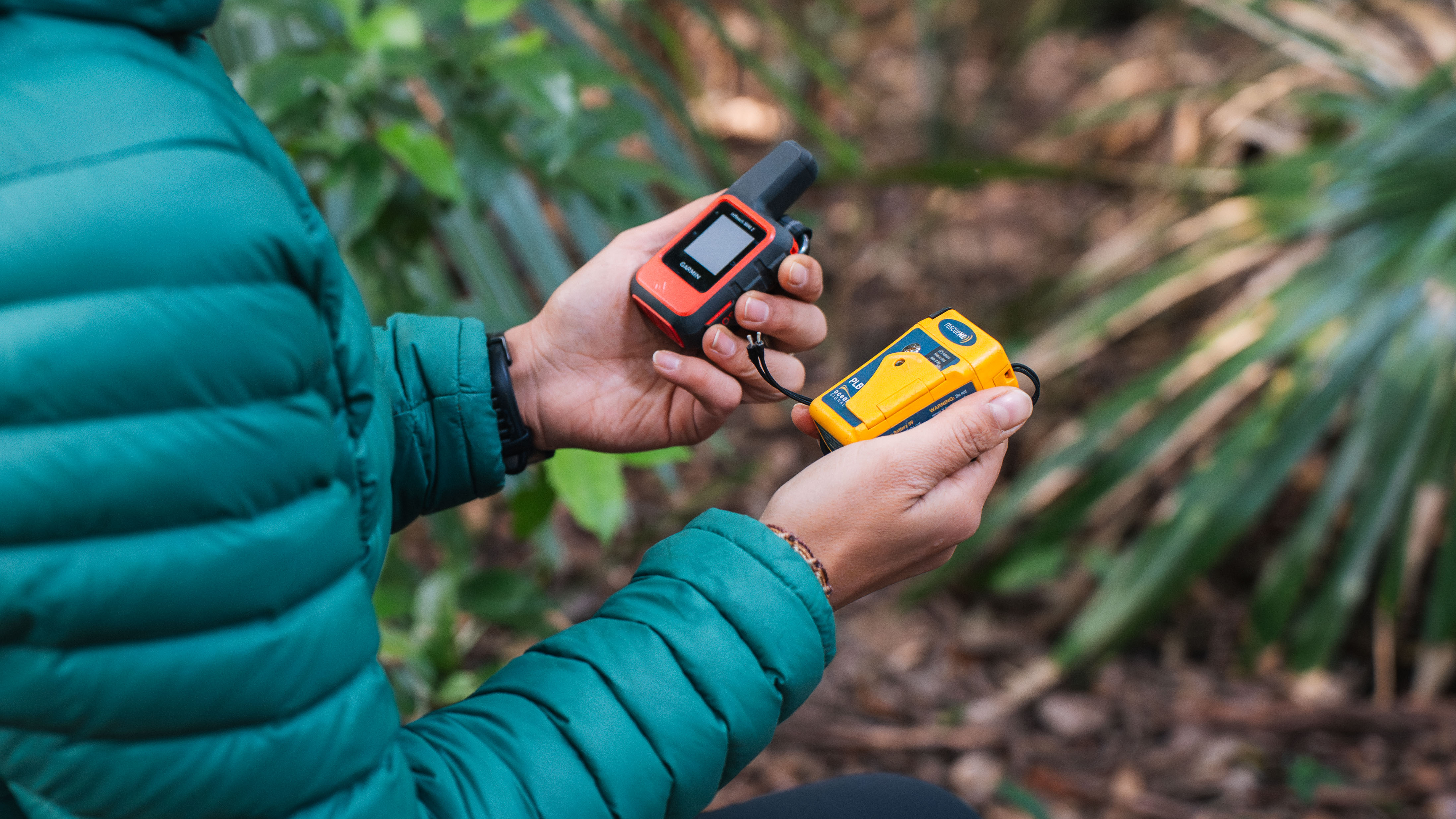
The gear I'd actually prioritise for solo hiking: a headlamp (always, even on a day hike), a personal locator beacon for anything remote, a small first aid kit, layers, and something to eat. Everything else is situational.
If you want the full breakdown, I have a downloadable hiking checklist over at sabrinaallam.au.
On personal locator beacons
I know the iPhone satellite SOS feature exists and it's impressive. But I still carry a PLB on any remote hike, and I'd recommend you do too.
A PLB is built for one thing: getting help when everything else has failed. Long battery life, purpose-built reliability, works in areas where even satellite phone coverage is patchy. Your phone's satellite feature is a good backup. It shouldn't be your only plan.
For anything multi-day or genuinely remote, a two-way satellite communicator is even better because you can actually communicate rather than just send an SOS and wait.
The actual safety stuff
Stick to the marked trail. This protects you and the environment. If something feels off, turn back. That instinct exists for a reason and it's worth listening to.
Snake bite first aid is non-negotiable if you're hiking in Australia. Know how to immobilise, don't cut or suck the wound, and know how to get to help fast. Takes five minutes to learn, could save your life.
Most solo hiking incidents come down to underpreparation or poor decisions in the moment. The checklist stuff helps, but so does just not taking risks you haven't thought through.
One more reason to go solo
Photography. Genuinely one of the best parts.
When you're alone you can wait for the light without apologising for it. You can slow down or speed up entirely based on what you're trying to capture. There's no social pressure around stopping every ten minutes for a shot or hanging back to get the empty frame.
Some of the images I'm most proud of came from solo hikes where I had the patience to just wait. That's hard to replicate in a group.
It gets less daunting every time you do it.
The first solo hike feels a bit vulnerable. Over time, it just becomes part of how you hike, and you'll wonder why you waited so long.